
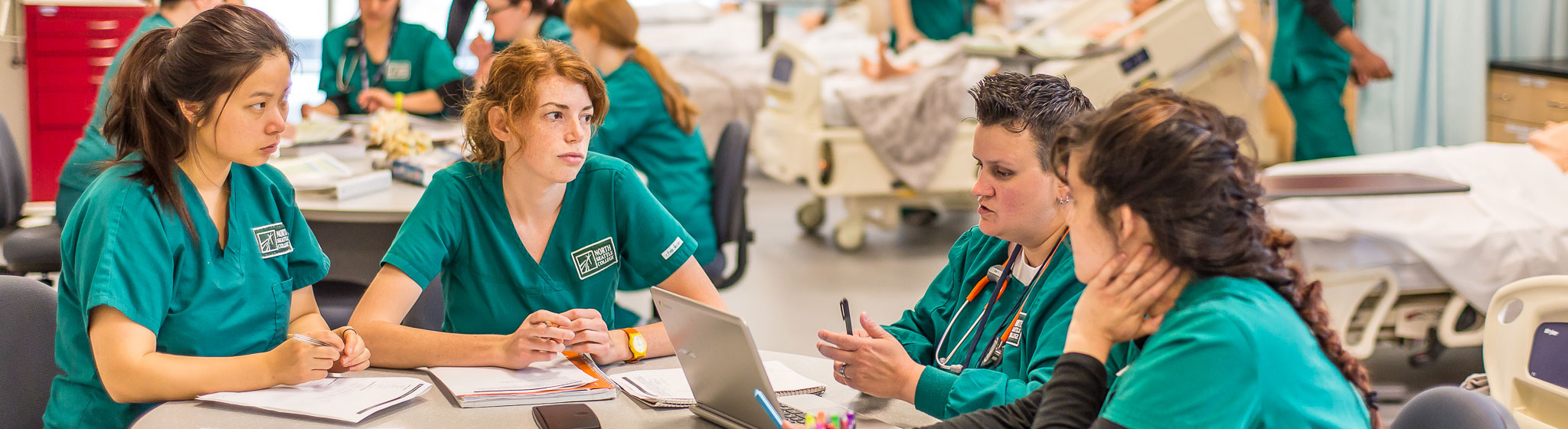
Career Training
Seattle Colleges offers a variety of Career Training programs for international students seeking practical skills in high-demand fields. Depending on the program you choose, you can work toward a certificate (1-2 years), an associate of applied science degree (2 years), or a bachelor of applied science degree (4 years). Career Training Programs are designed to give you the knowledge and hands-on experience you need to enter the workforce right away.
Career Training or 2+2 Transfer?
You may know that the 2+2 Transfer program is the preferred pathway for students interested in getting a traditional bachelor's degree from a 4-year college or university, while Career Training programs are designed to provide the skills needed to enter a specific workforce program upon graduation from Seattle Colleges. Below is a more detailed explanation of some of the key differences between 2+2 Transfer programs (University Transfer and High School Completion Plus) and Career Training programs.
| 2+2 TRANSFER | CAREER TRAINING | |||
|---|---|---|---|---|
| Classes: | Mix of general education & pre-major courses | Mostly specialized, skills-based, technical courses | ||
| Curriculum: | Students create their own study plan and major emphasis within degree requirements | Fixed set of courses | ||
| Starting Quarter: | Any (four times a year) | Varies depending on the Career Training program | ||
| Transfer Options: | Most students plan to transfer to a 4-year institution to obtain a traditional bachelor's degree after receiving their two year associate degree from Seattle Colleges. | Career Training degrees and certificates are not normally designed with transfer in mind. Most students plan to use their certificate or degree to get a job right after program completion, though a limited number enter bachelor of applied science degree programs. | ||
| Other Considerations: | The 2+2 programs are also the most popular pathway to advanced degrees, such as master's and doctoral programs, once a bachelor's degree has been completed. | Students in Career Training programs who later choose to transfer to a 4-year institution for a traditional bachelor's degree may need to take up to two additional years of classes to complete the degree. |
Career Training Programs Available to International Students
Below you will find the Career Training programs that are available to international students. If you plan to join any of these programs, you must first be admitted to Seattle Colleges as an international student. Some Career Training programs have additional requirements beyond general admission to Seattle Colleges. If you find a program you are interested in, review the program's dedicated webpages for details. Use the contact information noted on the webpages to ask any specific questions that are not addressed. Be sure to identify yourself as a prospective international student.
Applicants planning to enroll in these programs will need to take additional steps before being formally admitted to and/or starting the program. These steps may include completing a secondary admission application, taking prerequisite classes, submitting a portfolio, or other items. If you have questions after reviewing your intended program's entry requirements, contact the program for assistance. North Seattle College Seattle Central College South Seattle College *The Associate Degree in Nursing (ADN) program is available at all 3 colleges but is administered by Seattle Central College. Applicants planning to enroll in these programs may do so upon admission to Seattle Colleges and after demonstrating they have college-level English and the required Math proficiency. Some programs offer entry any quarter throughout the year; others restrict entry to specific quarters. If the starting term is not noted on the program pages but is an important consideration for you, contact the program for clarification. North Seattle College Seattle Central College South Seattle CollegeCareer Training Programs with Additional Admission Requirements
Career Training Programs with No Additional Admission Requirements